Here in the Caribbean, extreme weather events have become an inevitable part of life. In just one year, we can expect to experience prolonged periods of drought and scorching heatwaves, heavier than average rainfall and flash flooding, and stronger, more frequent storms. This, unfortunately, is our climate reality, and we must be prepared.
Managing the effects of climate change requires making climate smart choices for your home, like switching to solar power and energy-efficient appliances to reduce energy costs and rainwater harvesting to supplement water storage. However, for this blog post, we shall focus on climate resilient homes, particularly in the context of hurricane season. While climate resilient homes are designed to withstand the threats of climate change, they do not completely eliminate risk. But they do play a critical role in reducing damage, protecting your assets and helping you recover faster after a storm.
Whether you are starting the process of building a house or thinking about upgrades to protect your current home, here are some useful tips from your BFFs at Co-op Bank.
Before you start building your climate resilient home, make sure that you and your construction team are on the same page regarding structural strength and integrity. Have a discussion to ensure that the design, construction methods and materials are aligned with climate resilient best practices and follow required building codes — there should be no shortcuts and cutting corners. Climate resilient homes prioritise safety and you don’t want to jeopardise that.
Now let’s talk about three climate resilient home features:
Roofs Hurricane straps are an integral feature of the Caribbean climate resilient home. These crucial connectors reduce the risk of roof uplift during a hurricane and hold the building’s structure together.
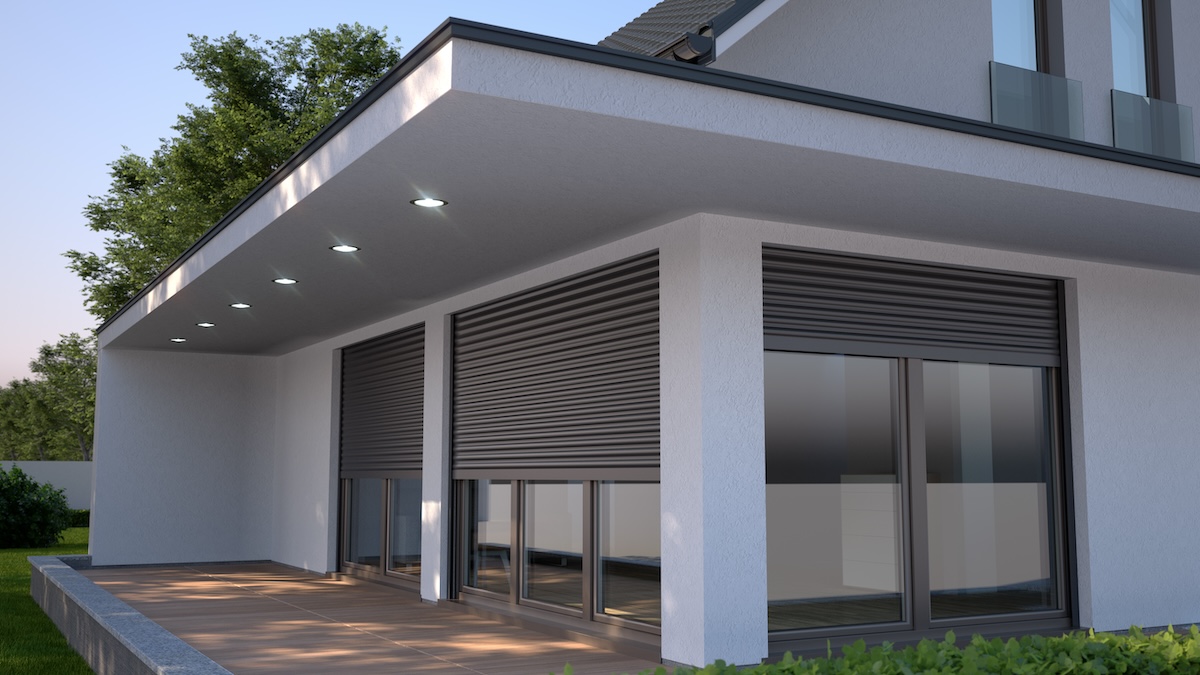
Windows and Doors Windows and glass doors, if not already impact resistant, can be further protected by hurricane shutters and protective panels. Pro tip: install shutters that you can operate without needing to hire a special crew.
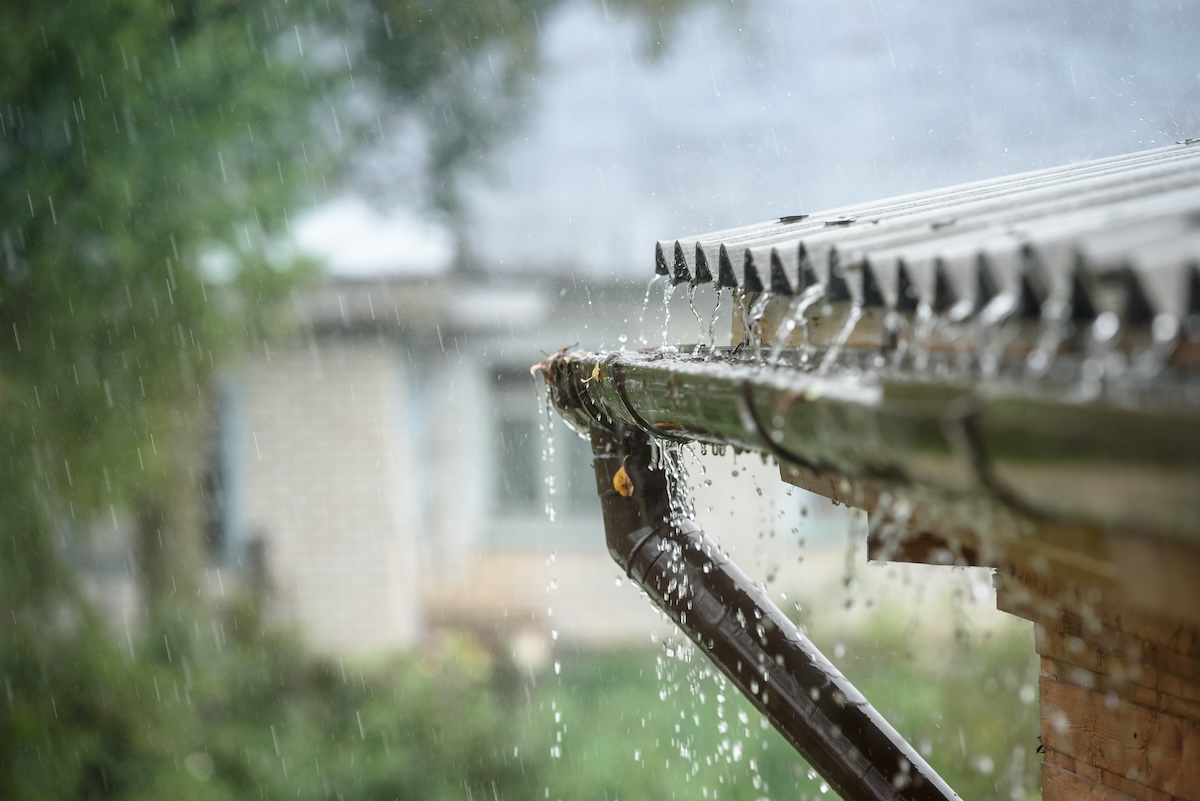
Drainage A climate resilient drainage system safely channels water away from the foundation of your house. It starts with site grading, ensuring that the land slopes downward away from the building. This prevents surface water from pooling around the foundation of your house. Then, there should be adequate drains around the property to maintain the flow of water away from the house. Roof downspouts or drainpipes should channel rainwater into storage tanks or directly into the drains. Additional methods include landscaping that swaps concrete or asphalt surfaces for gravel or permeable pavers and rain gardens with water-tolerant vegetation to capture, filter and absorb excess rainwater.
It is important to note that just incorporating these climate resilient features is not enough. There still needs to be regular maintenance and checks throughout the year, not just when a storm warning is announced.
Check your roof regularly for rust and loose roofing sheets and shingles or, if you have a concrete roof, check for cracks, leaks or other compromised areas and address quickly. Similarly, check your roof gutters and drainpipes for leaks and weak areas and that your hurricane shutters are functioning properly. Remove the debris from the gutters and drainpipes regularly, as well as the drains in and around your property. These are just a few ways that you can achieve a safer, more climate resilient home. But did you know that Co-op Bank can also help? With our Building for the Future loan, you can access affordable financing and enjoy discounts on loan fees and special benefits when you choose climate-resilient solutions. Visit https://www.grenadaco-opbank.com/bff/ to learn more.
Grenada Co-operative Bank Limited Supports Girls in ICT Day 2026
Students, educators, government officials and stakeholders celebrate Girls in ICT Day 2026 St. George’s, Grenada – May 20th, 2026 – Grenada Co-operative Bank Limited has once again reaffirmed its commitment...
Grenada Co-operative Bank Limited Hosts Youth Financial Literacy Workshop in Carriacou
Participants in the Fundaytion Financial Literacy Workshop attentively listening as facilitators present St. George’s, Grenada – May 4th, 2026 – Grenada Co-operative Bank Limited hosted a special financial literacy workshop...
Pump it Up! Family Fun Walk Raises Funds for Grenada Food and Nutrition Council
Pump it Up! Fun Walkers St. George’s, Grenada – May 7th, 2026 – After weeks of engagement, corporate and public support, Grenada Co-operative Bank Limited, organiser of Grenada’s popular walk,...
Co-op Bank Supports St. Mark’s Festival Schools’ Spelling Competition & History Symposium
Participants of the St. Mark's School's Spelling Competition & History Symposium, share a proud moment with Mr. Roland Fletcher, Sales & Services Manager, Grenada Co-operative Bank Limited and organiser of...
Grenada Co-operative Bank Limited Invests in National Sports Development
St. George’s, Grenada – April 22nd, 2026 - Grenada Co-operative Bank Limited, the nation’s only indigenous commercial bank, continues to invest in national sports development, most recently as a Silver...
Grenada Co-operative Bank Limited Celebrates Academic Excellence at 2026 St. George’s University School of Arts and Sciences Award Ceremony
Samica Roberts, Segment, Product and Performance Lead (left) and SGU Awardee Chinty Lakhati (right) St. George’s, Grenada – April 22nd, 2026 - Grenada Co-operative Bank Limited joined St. George’s University...
Building Generational Wealth Through Land Ownership
Generational wealth refers to the financial assets that are passed from one generation of a family to another. This wealth, in the form of cash, stocks, bonds, real estate or...
Grenada Co-operative Bank Limited Gears up for 15th Pump it Up Family Fun Walk
St. George’s, Grenada – March 25th, 2026 - Get ready to Pump it Up! Grenada Co-operative Bank Limited announces the dates for this year’s Pump it Up, the nation’s most...